Why Gaza peace deals keep unravelling
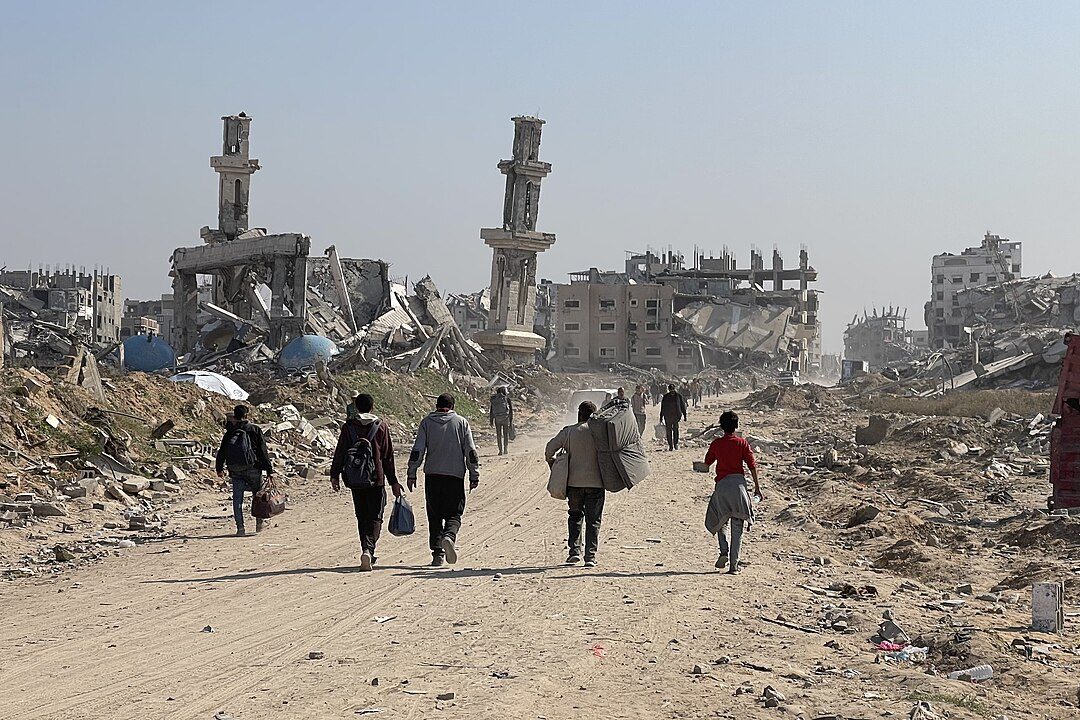
Adam Farquhar explores why a series of Gaza peace deals have failed and what a workable agreement needs to succeed.
Rethinking peace & transition processes in a changing conflict landscape
Seminars, discussions and more from PeaceRep consortium members.
Informed commentaries from experts, policy makers and guest writers.
Adam Farquhar explores why a series of Gaza peace deals have failed and what a workable agreement needs to succeed.
Prof Michael Semple explores the Afghan experience of civil resistance to the Taliban’s Islamic Emirate and what this tells us about possible pathways to peaceful change.
Baghdad goes its own way, writes Kamaran Palani. Even if Iran survives the war, its position in Iraq may not.
Matthew Benson-Strohmayer explores how South Sudan’s peace agreements reshaped the country’s systems of revenue, spending and coercion.
Johanna Amaya-Panche examines whether a security policy focused mainly on military pressure risks weakening the 2016 peace agreement.
Peace is political. Building peace goes in tandem with strengthening Colombian democracy. Both are at stake in Colombia's presidential election, writes Andrei Gómez-Suárez.
Itban Omair from UN Women tells the technical story behind the PeaceFem mobile app and reflects building technology for the peace and security sector.
Adam Farquhar reflects on the use of Artificial Intelligence (AI) tools in analysing peace agreements for the PA-X Peace Agreements Database.
Laura Wise examines why temporary truces in Iran, Ukraine and elsewhere so often fail to last.
Laura Wise and Adam Farquhar use PA-X data to examine the White House’s claims about recent American peacemaking efforts.
Emma Kavanaugh, a student at the University of St Andrews, reflects on working with the team behind the MEND Database.
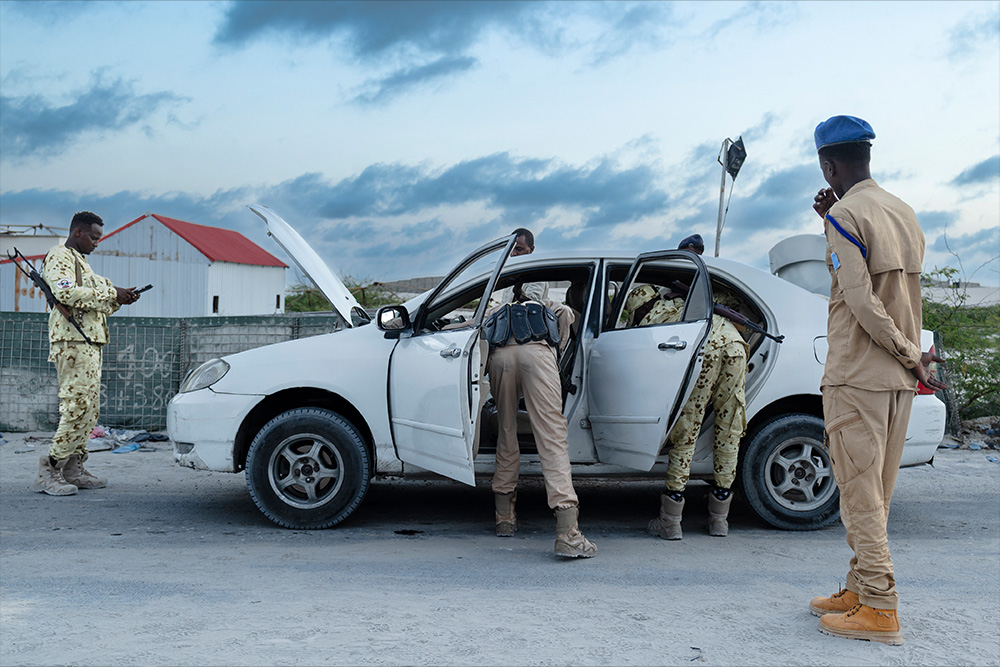
Nisar Majid explores how control over trade 'chokepoints' is central to political power in Somalia.