FAIR Data in Action: PA-X data informs new dataset on peace agreement actors
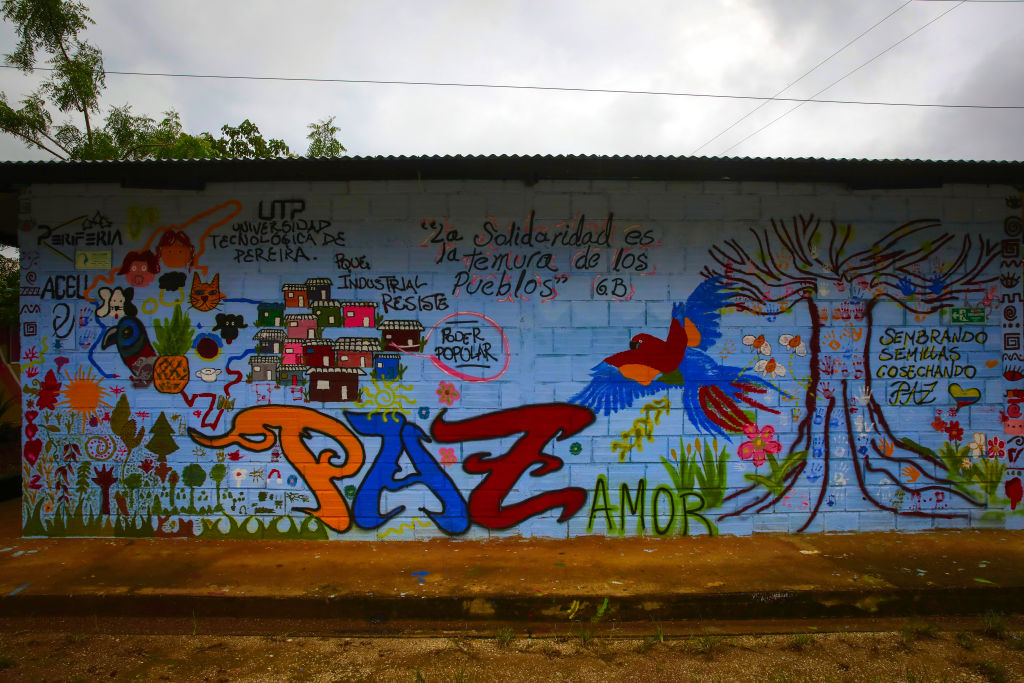
Sanja Badanjak introduces a forthcoming dataset of peace agreement actors and their commitments, developed as an extension of the PA-X Peace Agreements Database.
Rethinking peace & transition processes in a changing conflict landscape
Seminars, discussions and more from PeaceRep consortium members.
Informed commentaries from experts, policy makers and guest writers.
Sanja Badanjak introduces a forthcoming dataset of peace agreement actors and their commitments, developed as an extension of the PA-X Peace Agreements Database.
The Afghanistan Research Network aims to amplify Afghan expertise following the Taliban takeover, and to inform efforts towards a stable and pluralistic Afghanistan.
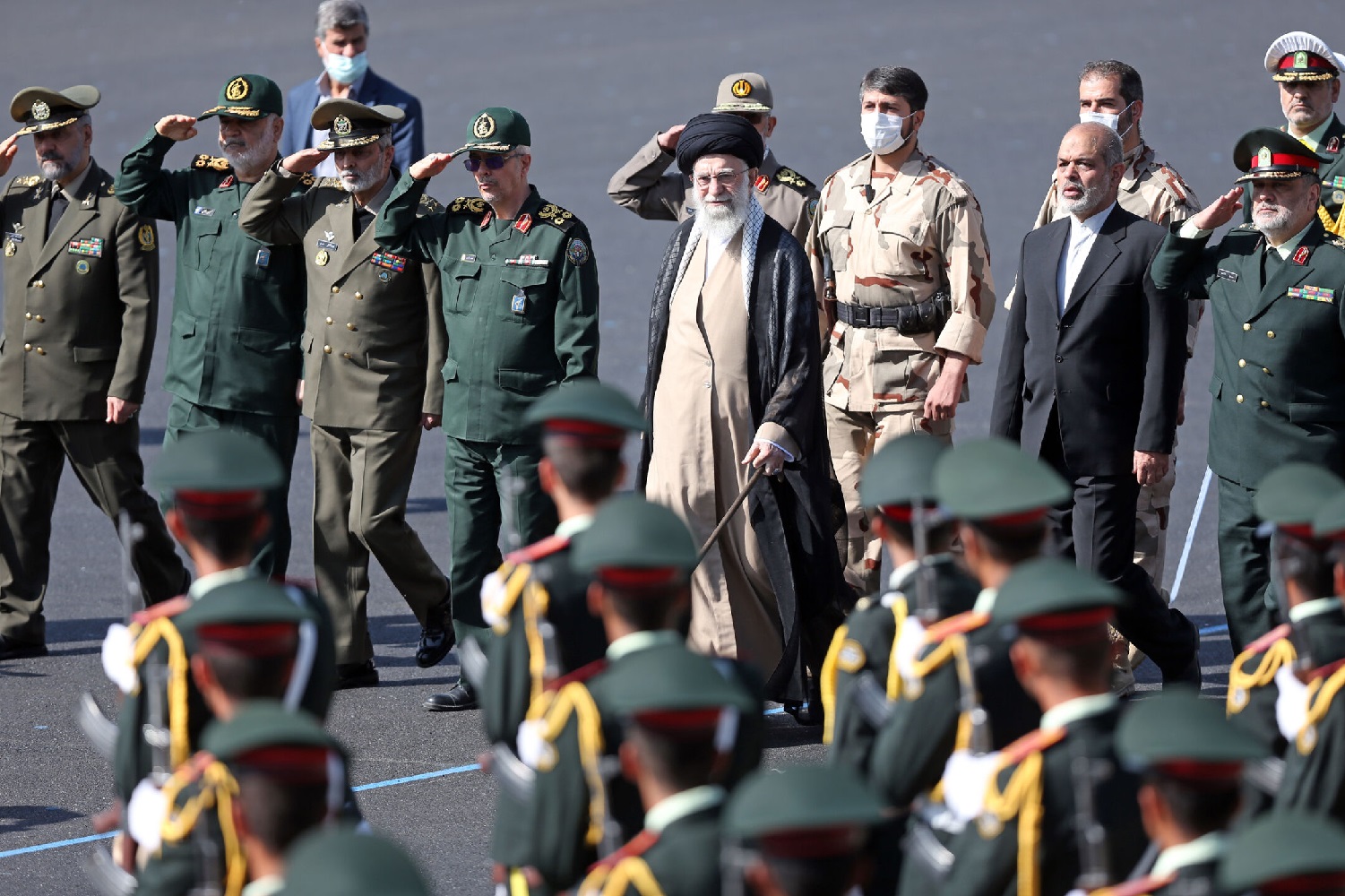
Analysis of Iran's leaders has revealed trends within the political elite, informing how changes to the composition of leaders will shape the country's future politics.
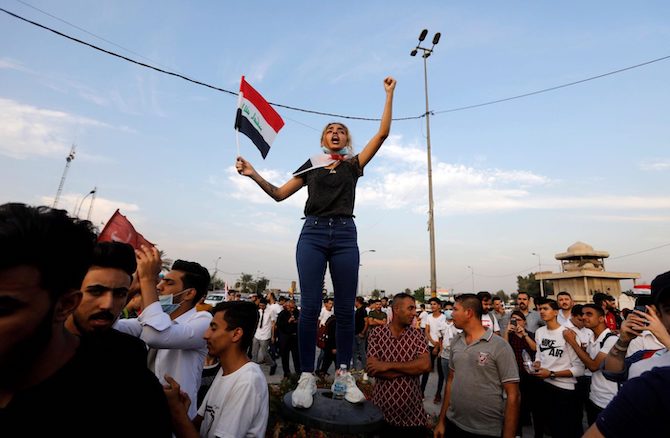
Protests following the death of a woman in Iranian police custody have become a catalyst for global political activism, but also among powerful radical Islamist networks.
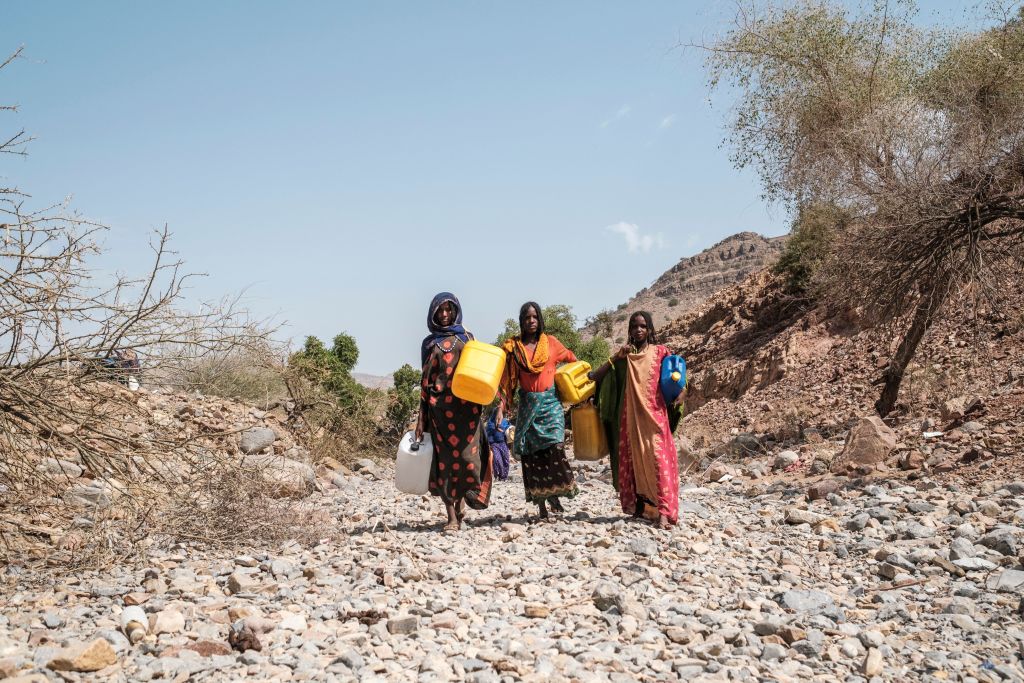
Mulugeta Gebrehiwot Berhe outlines humanitarian priorities for Tigray in the aftermath of the Pretoria and Nairobi agreements.
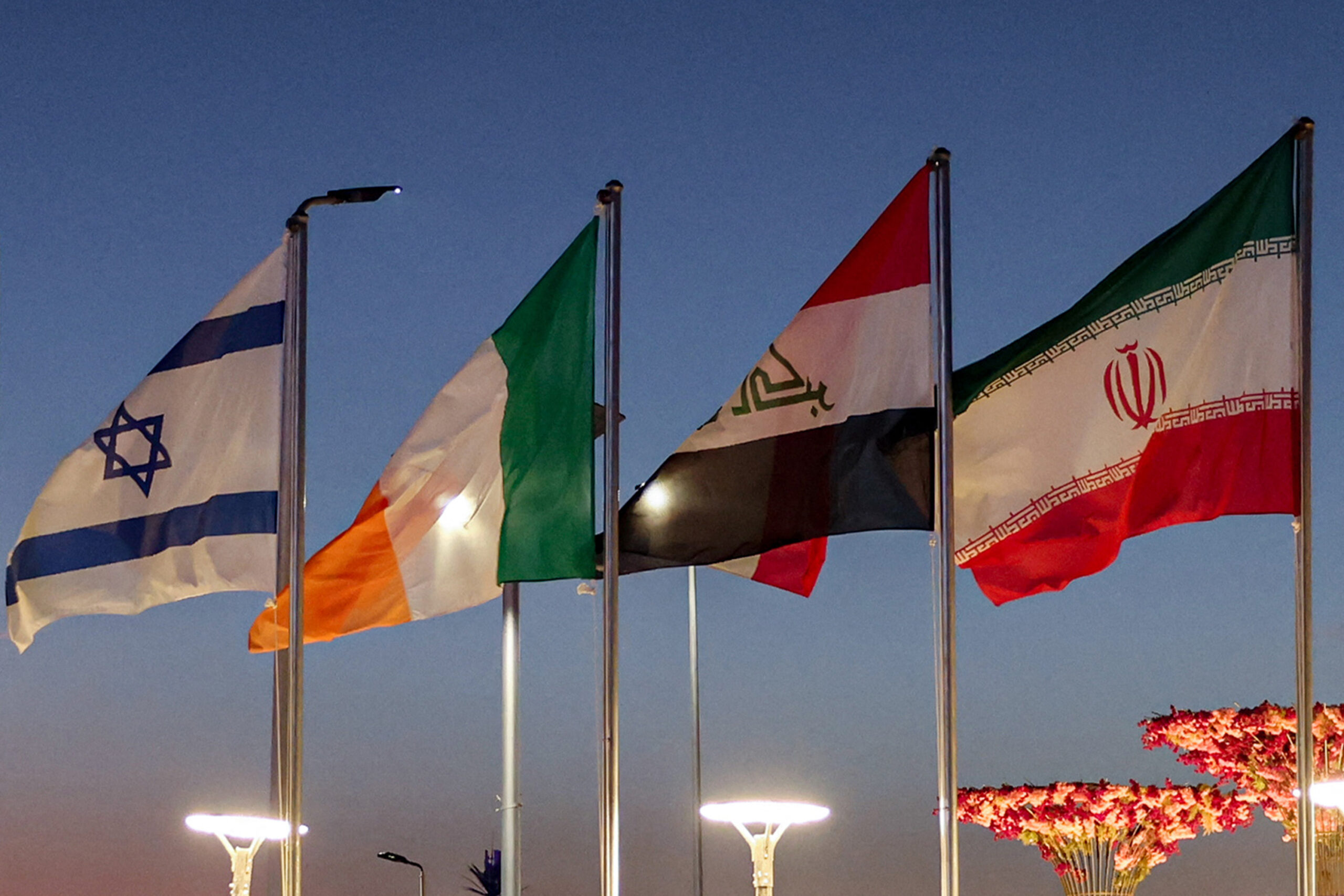
Despite its local influence, Iran faces difficulties in realising its geostrategic ambitions. Sima Shine discusses implications of current relations with Israel for Iran's regional policy.
Michael Eisenstadt explores key factors influencing Iran's national security policy: grey zone regional strategy, unconventional forces, and nuclear hedging.
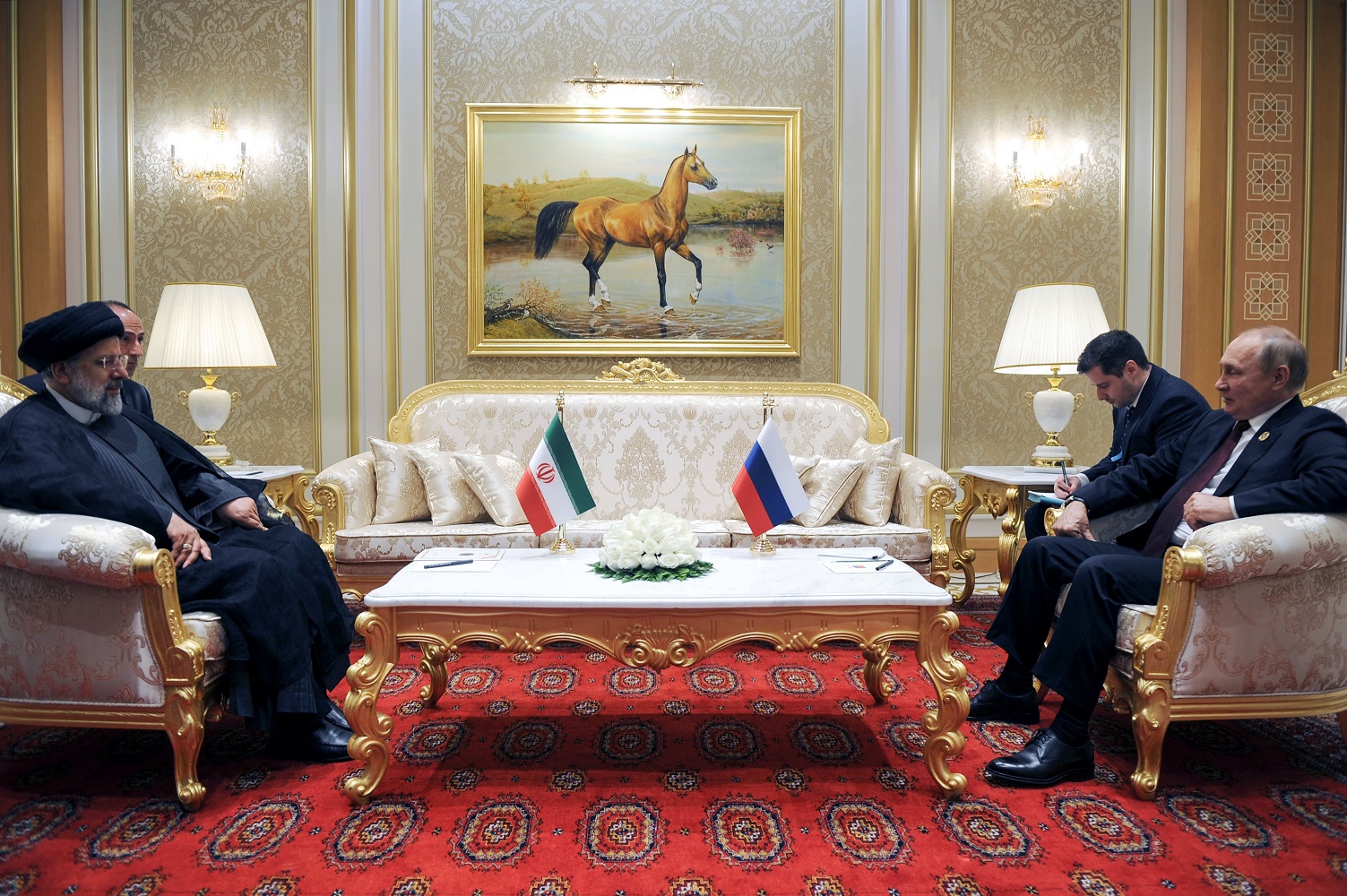
Nikolay Kozhanov analyzes factors behind the recent shift in Russian-Iranian relations, including Ukraine, and potential obstacles to dialogue.
When approach a strategy for reform, key elements that allow for systemic corruption in Iraq need careful consideration.
Differences between the estimated flows into the Euphrates-Tigris Basin, as well as further changes in the flows, carry contentious consequences for basin politics.
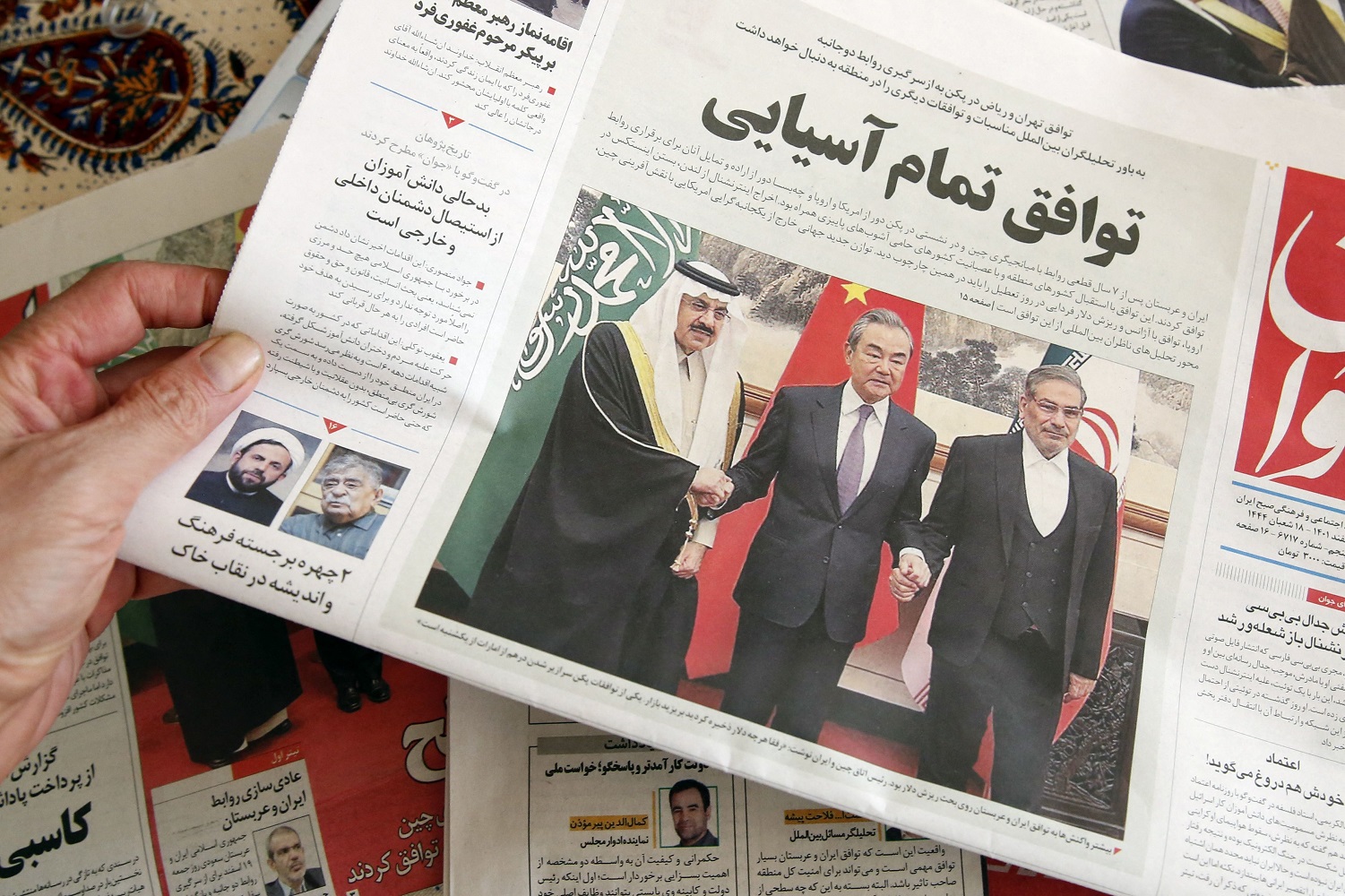
Iran and the Gulf states occupy different places in China’s geopolitical and geo-economic considerations. Author: Yongjin Zhang
The flow of political finance from the Gulf States and Turkey into the Horn of Africa shows how illicit financial flows can affect stability in the context of political...