China’s Peace Efforts in Ukraine
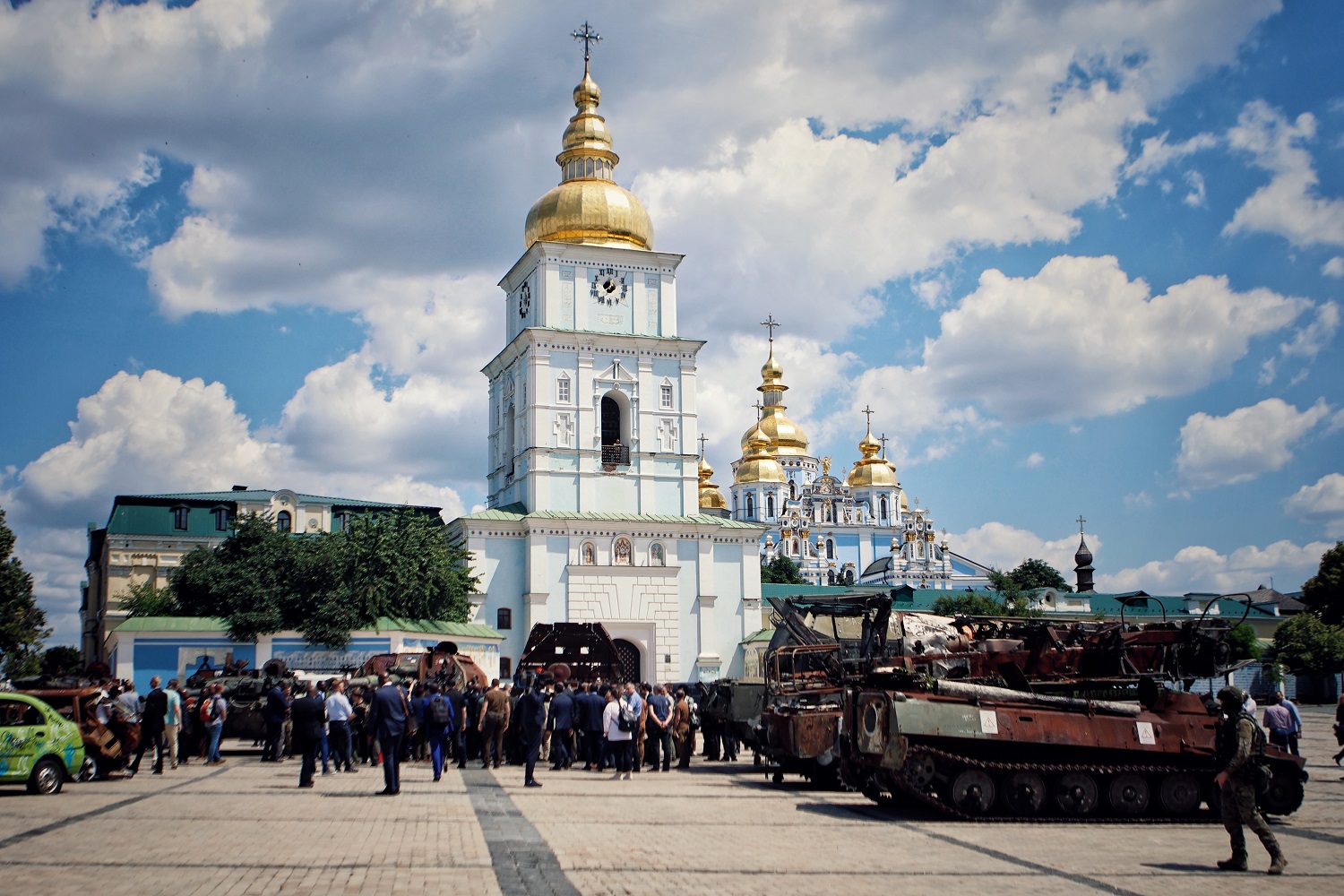
Bernardo Mariani discusses China's interests in resolving the Russian war on Ukraine, and opportunities for dialogue with Western nations.
Rethinking peace & transition processes in a changing conflict landscape
Seminars, discussions and more from PeaceRep consortium members.
Informed commentaries from experts, policy makers and guest writers.
Bernardo Mariani discusses China's interests in resolving the Russian war on Ukraine, and opportunities for dialogue with Western nations.
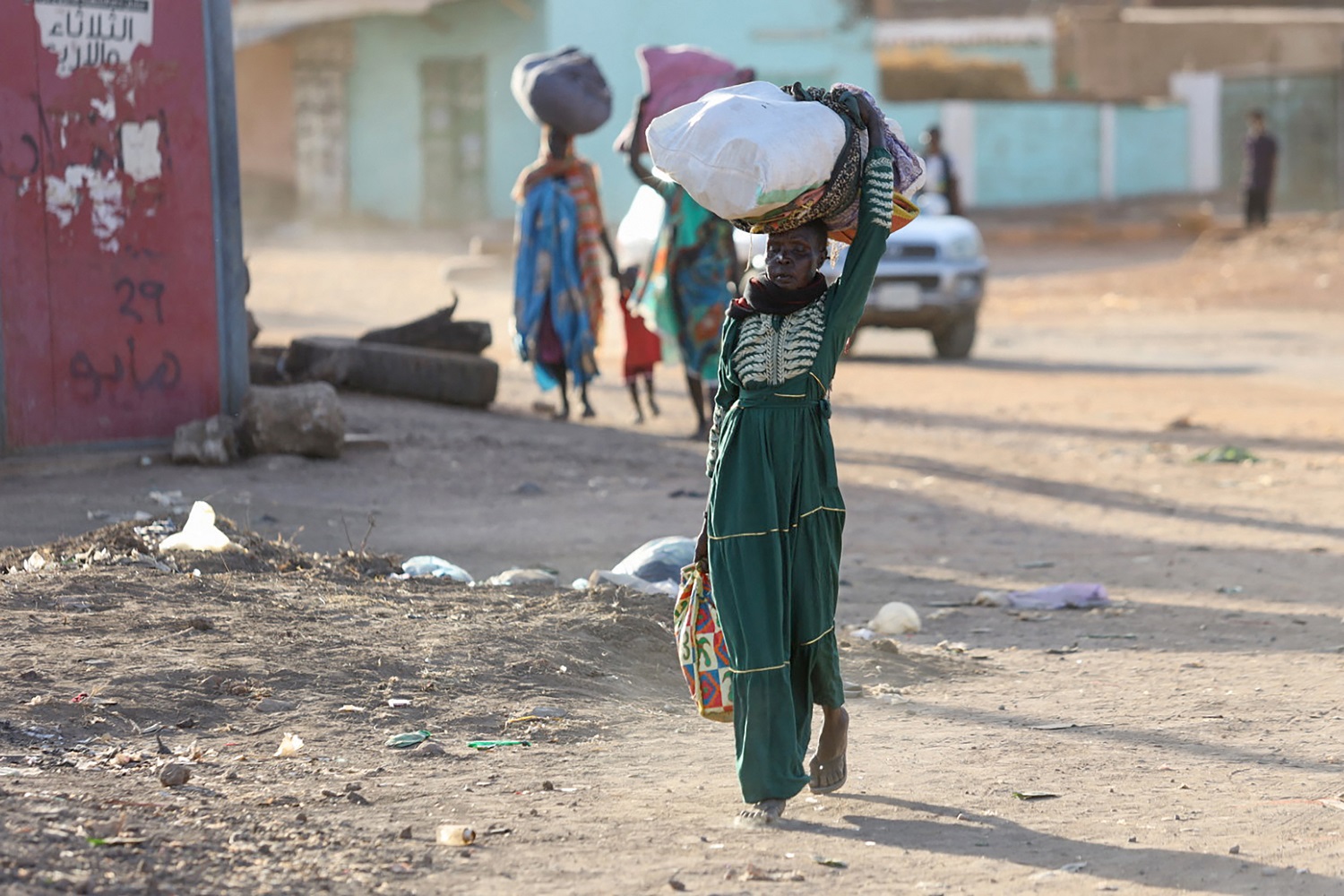
Chirrilo Madut Anei describes conflict risks and economic and humanitarian conditions in South Sudan in the context of the war in Sudan.
Simona Foltyn discusses the rise to power of Iraq's Mohammed al-Halbousi, and why he now needs to strike a new deal that ensures his political survival.
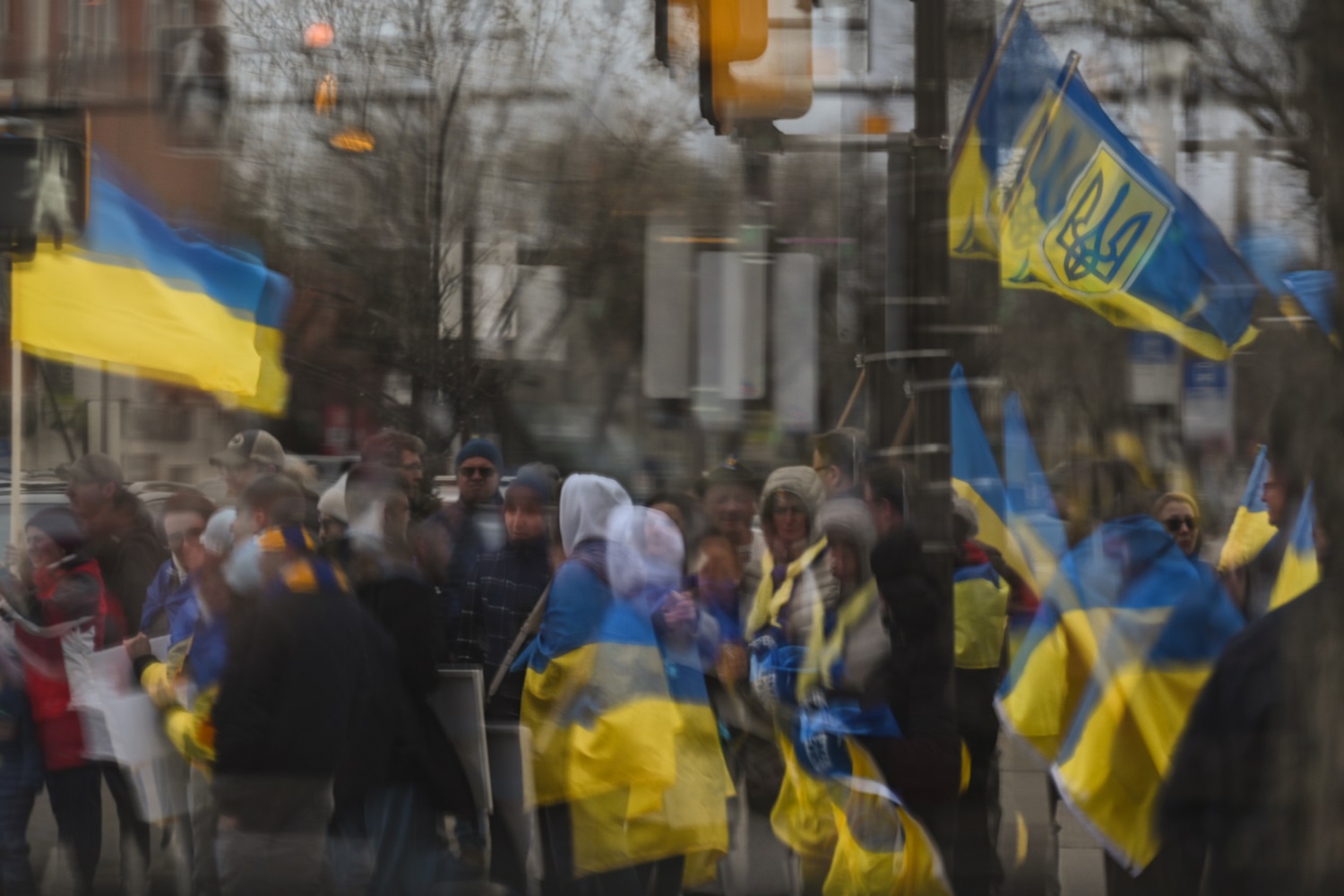
The risk of a 'long war' for Ukraine against Russia can be mitigated with preferential access for Ukraine to the EU single market.
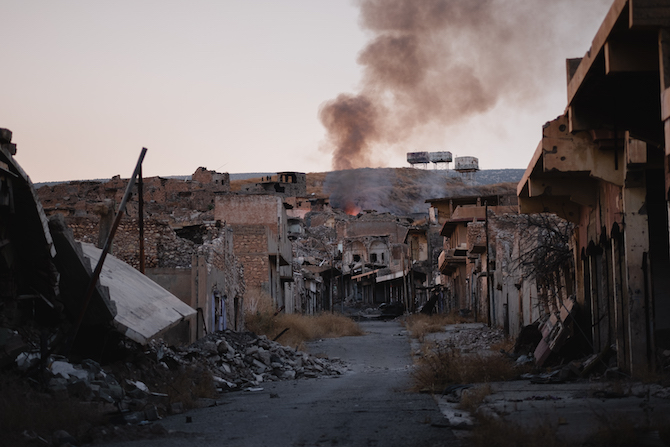
Zmkan Ali Saleem discusses why Iraq will struggle to achieve long-term stability without reconciling the Yezidis and the rest of Sinjar’s residents.
Prof Alex de Waal discusses questions that the would-be mediator should ask before applying the political marketplace framework (PMF) to mediation practices.
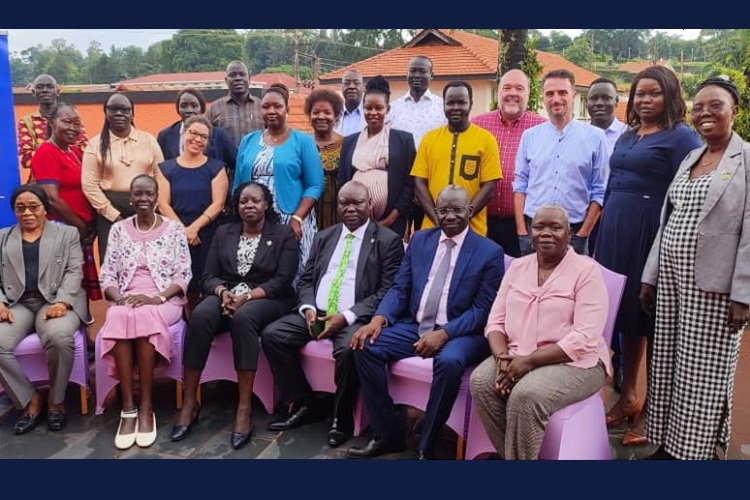
Preparations for credible elections in 2024 will enable South Sudan to make progress in its protracted transition.
The international community can play an important role in ending Sudan's political crisis and getting the country back on the path of transition.
A “peace mission” of seven African leaders recently visited Ukraine and Russia, with global significance for how we think about peace.
Marcel Plichta and Mateja Peter discuss findings from a study of pre-war Sudan, and assess claims about motivations for involvement by Russia and China.
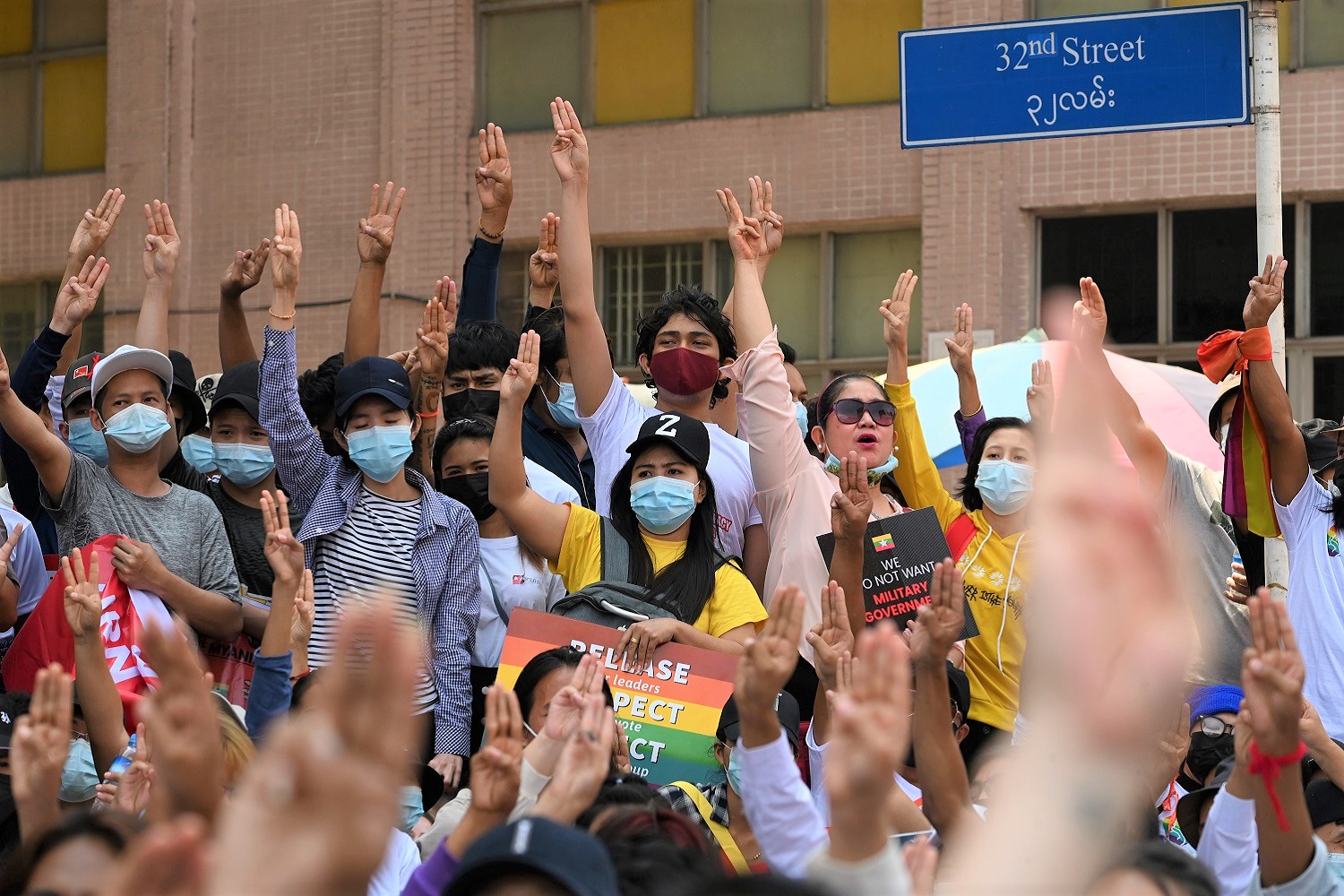
Reflections on questions of safety, building equitable partnerships, and how to balance research needs with ethics when working in a politically divided contexts like Myanmar.
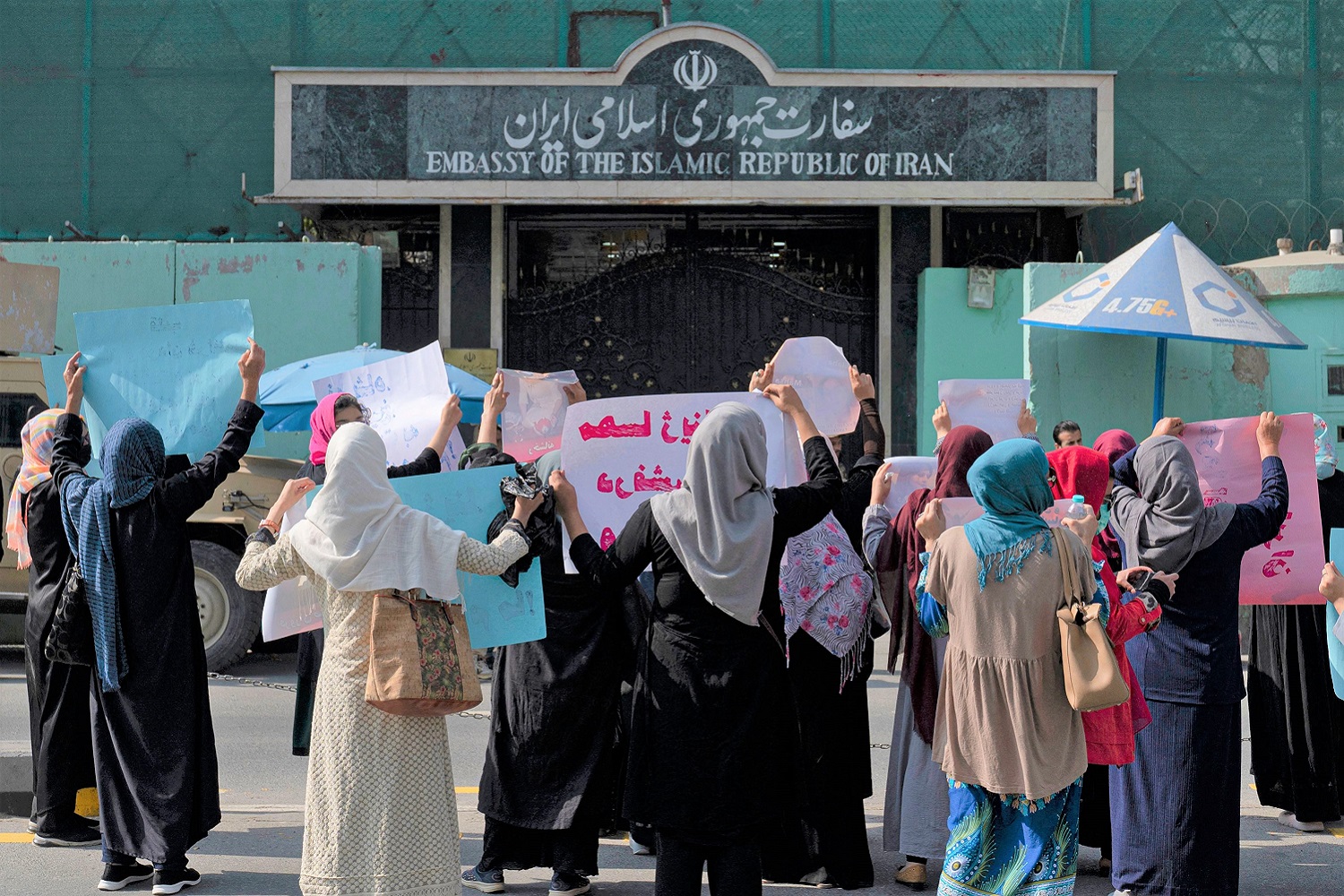
Prof Michael Semple describes how the emergence of an effective freedom movement is required for getting Afghanistan back onto a trajectory towards sustainable peace.