Dr Monalisa Adhikari, a PeaceRep Co-Investigator, has been awarded a £358,000 ESRC grant to study how countries engage with UN peacekeeping norms, focusing on India, Nepal, and Bangladesh, which provide 27.7% of total peacekeeping troops.
A publicly accessible dataset will be created, documenting how laws and guidelines in these countries reference peacekeeping norms. The project aims to contribute to a deeper understanding of the complex relationships between peacekeeping, norms, and military institutions.
PeaceRep Researcher Awarded Grant to Study UN Peacekeeping Norms
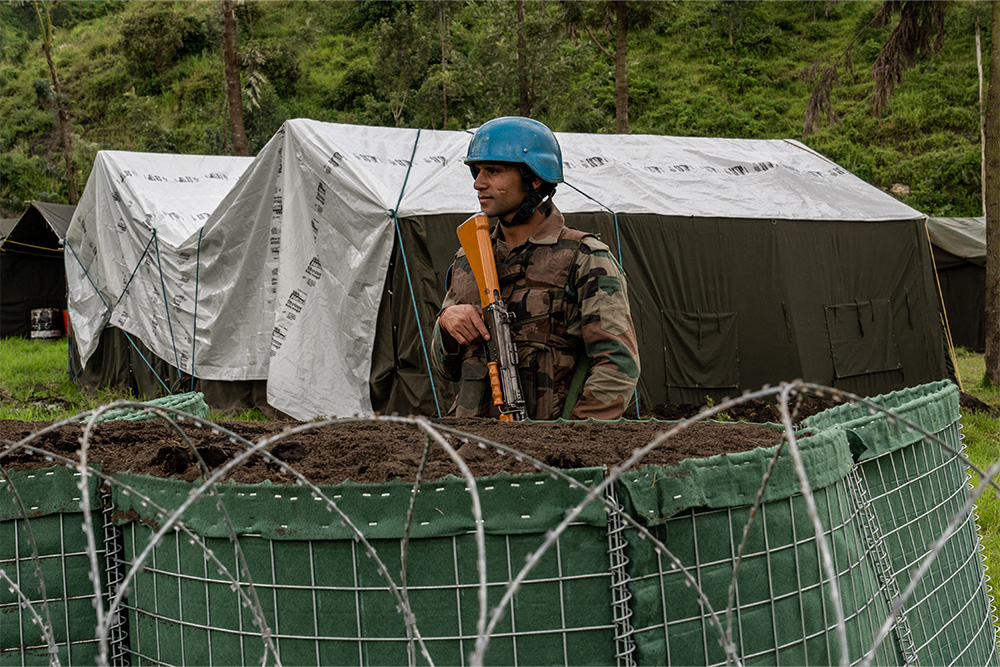
Dr Monalisa Adhikari, a Co-Investigator at PeaceRep, has been awarded a prestigious ESRC New Investigator grant for her project, “Bringing ‘Norms’ Back Home: Troop Contributing Countries and their domestic engagement with UN Peacekeeping Norms.” The £358,000 grant will fund a two-year research project examining how military institutions in countries that contribute troops to UN peacekeeping missions (Troop Contributing Countries, or TCCs) engage with and comply with UN peacekeeping norms.
The project will investigate the incentives and challenges associated with norm compliance in policy and practice from the perspective of domestic military institutions. Partner institutions include the International Centre for Peace Studies in India, the University of Dhaka in Bangladesh, and the Centre for Nepal and Asian Studies in Nepal.
While existing research has shed light on how individual peacekeepers comply with norms during deployments, there is a significant knowledge gap regarding how military institutions in TCCs integrate liberal norms into their legal and policy frameworks and everyday practices. This project addresses this gap by exploring how military institutions in TCCs navigate, socialize, and comply with liberal norms advanced by the UN peacekeeping department.
The project will focus on India, Nepal, and Bangladesh, which are among the highest contributors to UN peacekeeping missions, providing 27.7% of total peacekeeping troops as of January 2025. By generating new evidence on how participation in UN peacekeeping missions impacts and shapes military institutions in TCCs, the project aims to contribute to a deeper understanding of the complex relationships between peacekeeping, norms, and military institutions.
The project will produce a range of academic outputs, including a publicly accessible dataset that documents how laws, decrees, constitutional provisions, internal guidelines, and standards in the three countries reference peacekeeping norms. Dr Adhikari, who leads PeaceRep’s Myanmar work, highlighted the instrumental role of PeaceRep research on shaping the project, particularly in adapting research on the agency of conflict-affected states to examine the incentives and agency of countries that contribute troops to UN peacekeeping missions.