PeaceRep closing events took place in March 2026, including workshops on multimediation and monetary governance and a full-day conference at Edinburgh Law School.
Bringing together researchers, practitioners and policymakers from across the consortium and peacebuilding community, the events marked the culmination of five years of research into peace and transition processes.
PeaceRep is now focusing on synthesising our research findings and recommendations for policy and practice.

Time to Make a Change: PeaceRep Hosts Closing Events
On 11–12 March 2026, PeaceRep hosted a series of closing events marking the culmination of five years of research on reimagining peace processes in a fragmented world.
Since 2021, the programme has provided thought leadership and data-driven evidence to inform adaptive management of peace and transition processes. As PeaceRep approaches the end of programme funding in 2027, the events highlighted PeaceRep’s core research findings and implications for policy, practice, and academia.
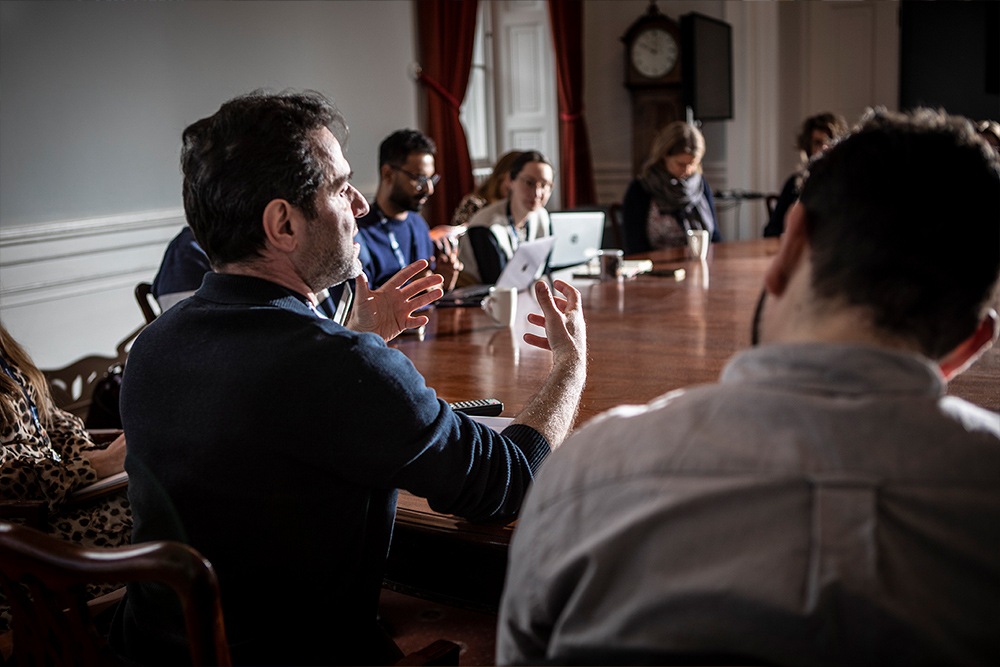
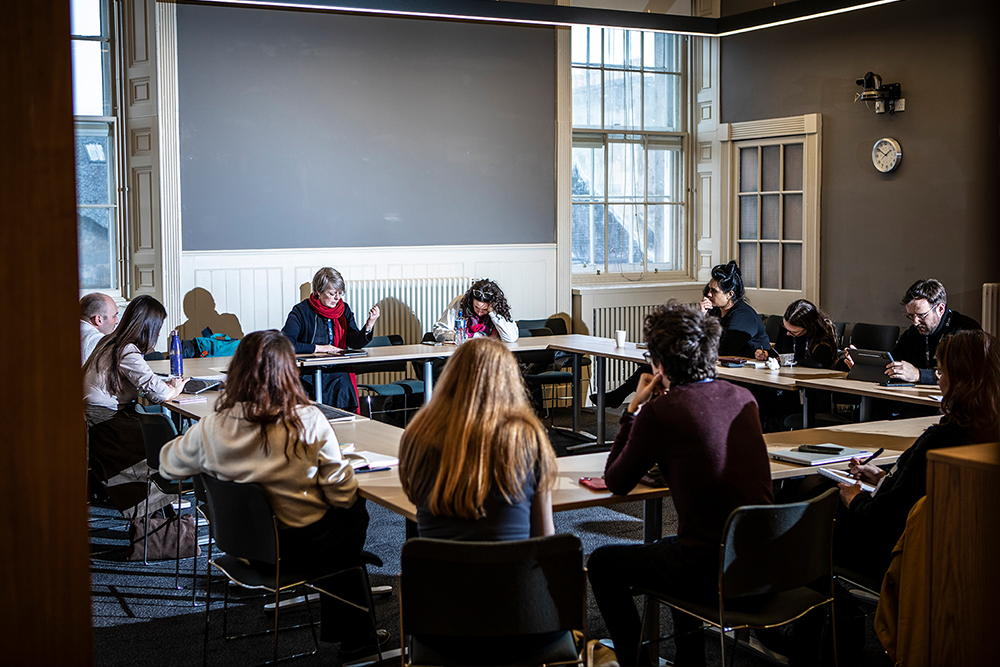
The events opened with a workshop on fiscal and monetary governance hosted by Deval Desai and Ed Laws. Policymakers, practitioners and scholars examined how fiscal and monetary governance interact with fragility and conflict, and how political analysis can more effectively inform policy and practice in these settings.
A second workshop convened policy stakeholders to discuss PeaceRep’s multimediation concept and apply it to the current conflict and peacemaking environment in Sudan. Participants generated practical recommendations for conflict stakeholders in Sudan as well as feedback for the further development and operationalisation of the multimediation concept.
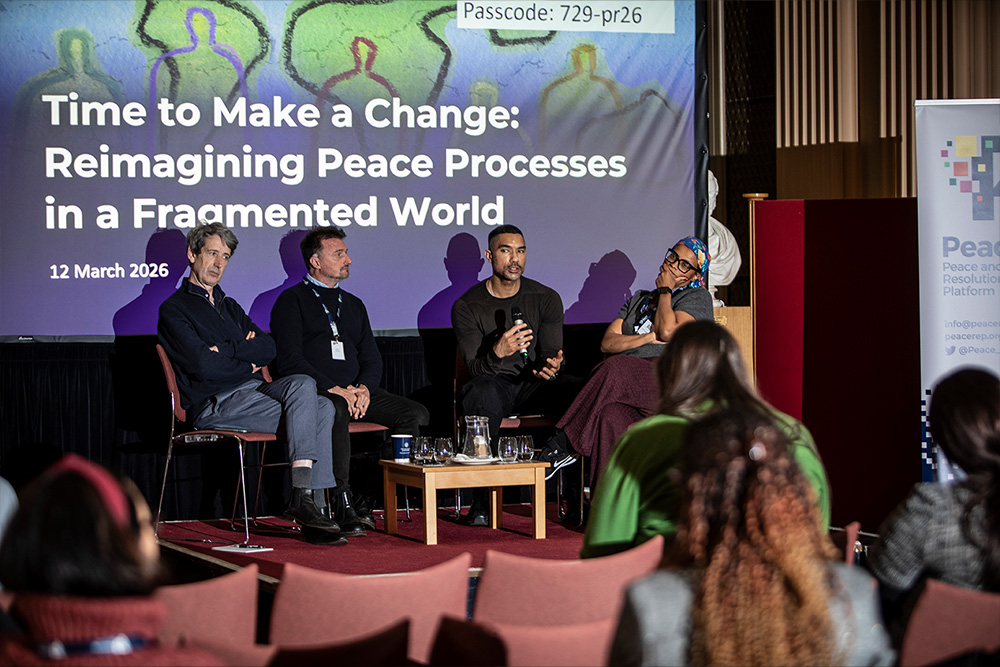
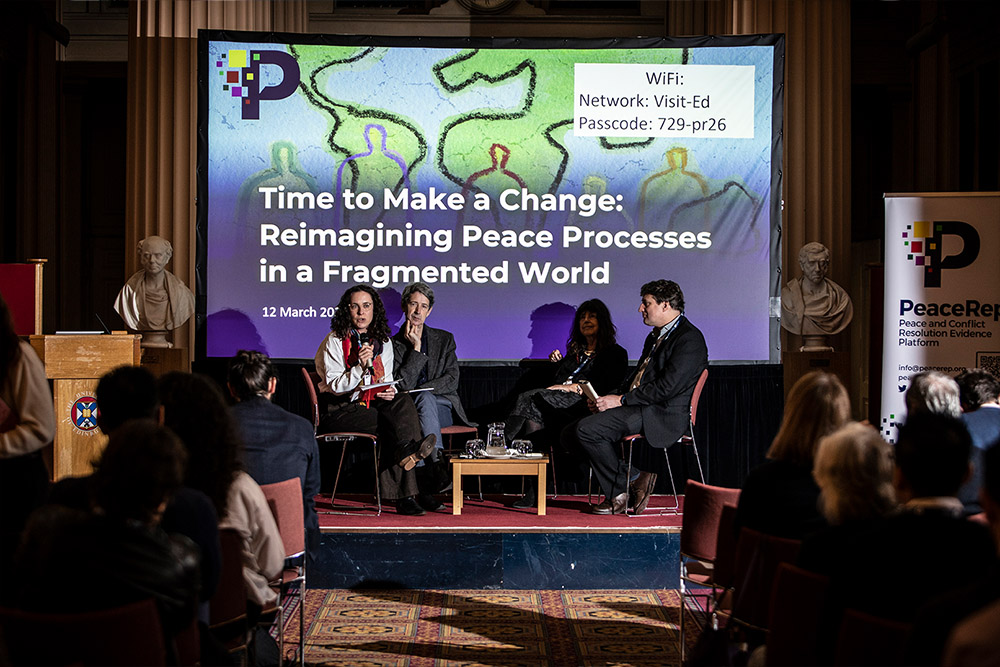
Finally, PeaceRep brought together researchers, PeaceTech developers, mediators, and policymakers for PeaceRep’s final conference: ‘Time to Make a Change: Reimagining Peace Processes in a Fragmented World’.
The full-day conference marked the culmination of five years of research across the PeaceRep consortium, offering a space for interdisciplinary discussion on contemporary peace and transition processes – and what needs to change to advance conflict resolution.
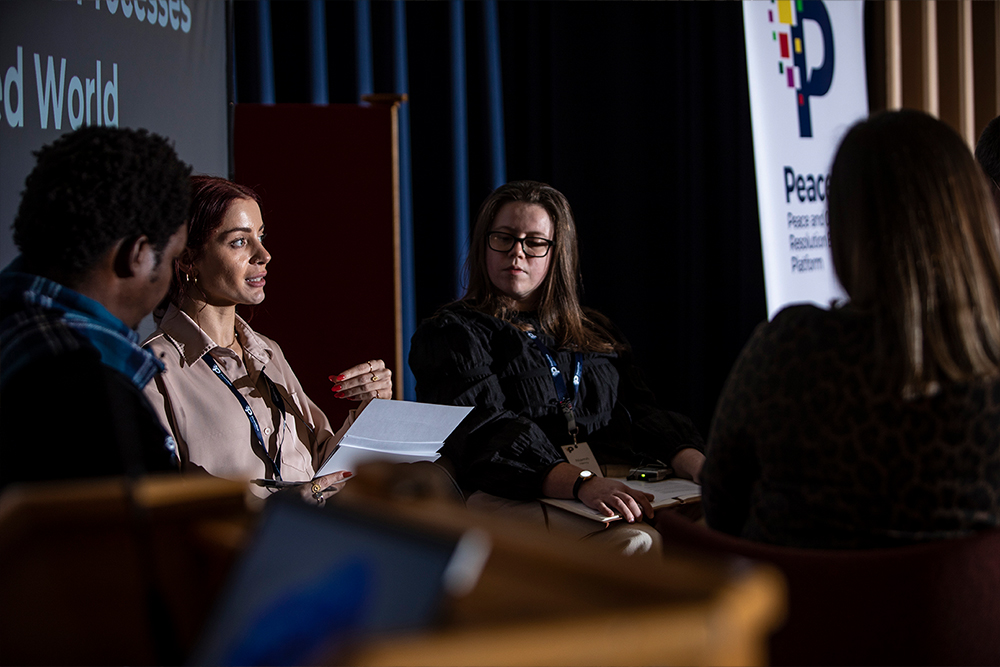
Breakout sessions allowed for focused discussion on country-specific conflict resolution in Sudan, Syria and Ukraine, while panels explored a range of themes, including:
- New perspectives on contemporary conflicts and peace processes
- Multimediation and fragmentation research and impact
- Mediation futures and PeaceTech
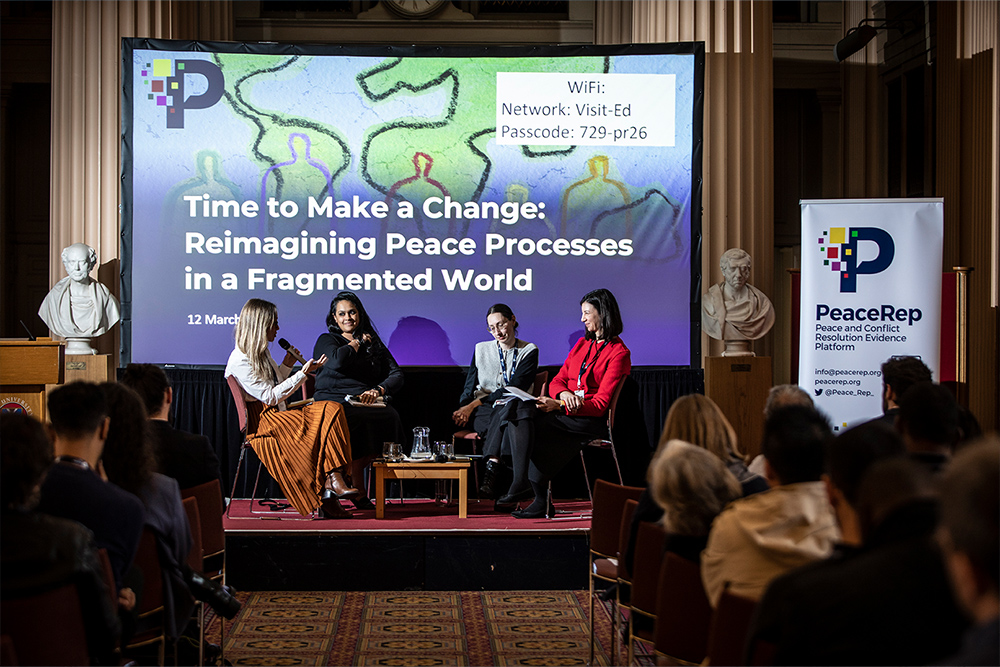
In today’s increasingly complex and fragmented global landscape, the event provided an opportunity to share insights, reflect on PeaceRep’s research and impact, and consider the future of peace processes. Throughout the day, a common theme re-emerged: hope.
Tim Epple, PeaceRep Managing Director, said:
The way we have come together over the years across ten institutions makes me hopeful that we have forged lasting and impactful connections. PeaceRep has truly become something bigger than the sum of its parts, and I am very grateful for each and every one who has been part of this incredible journey. The evidence we have produced and skills we have gained are transferable and help us pave new paths forward. While our efforts to secure long-term funding for peace data will continue, it is fantastic to see colleagues starting new positions and winning research funding that will allow our work to live on in different ways.
We will be sharing key takeaways from the conference in the coming weeks.
What’s Next?
March 2026 marks the culmination of five years of research and the final year of collaboration across the PeaceRep research consortium.
From March, PeaceRep will move into a new phase of synthesising our research findings and recommendations for policy and practice, as well as implications for future scholarship, while ensuring the longer-term sustainability of our legacy products including our flagship PA-X Peace Agreements Database and PeaceTech tools.
We extend our thanks to our funder, the Foreign, Commonwealth and Development Office of the UK Government, and to our consortium partners for their ongoing commitment and dedication to best practice in peace and transition processes: Conciliation Resources, Coventry University, LSE Conflict and Civicness Research Group, LSE Middle East Centre, International IDEA, Queens University Belfast, University of St Andrews, University of Stirling, and the World Peace Foundation at Tufts University.